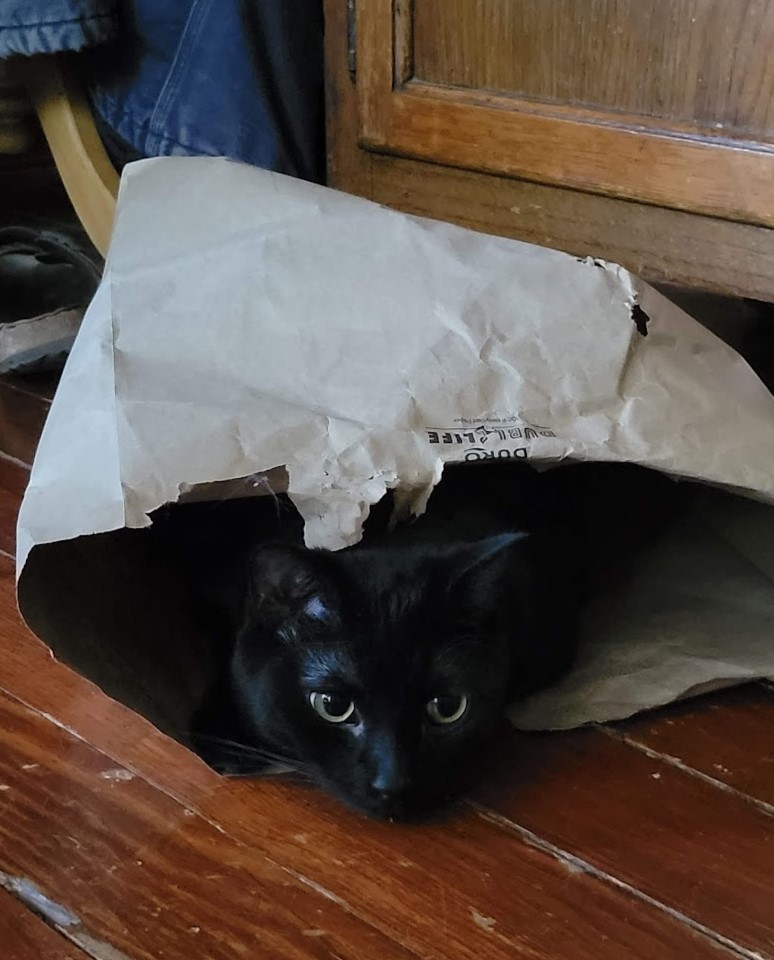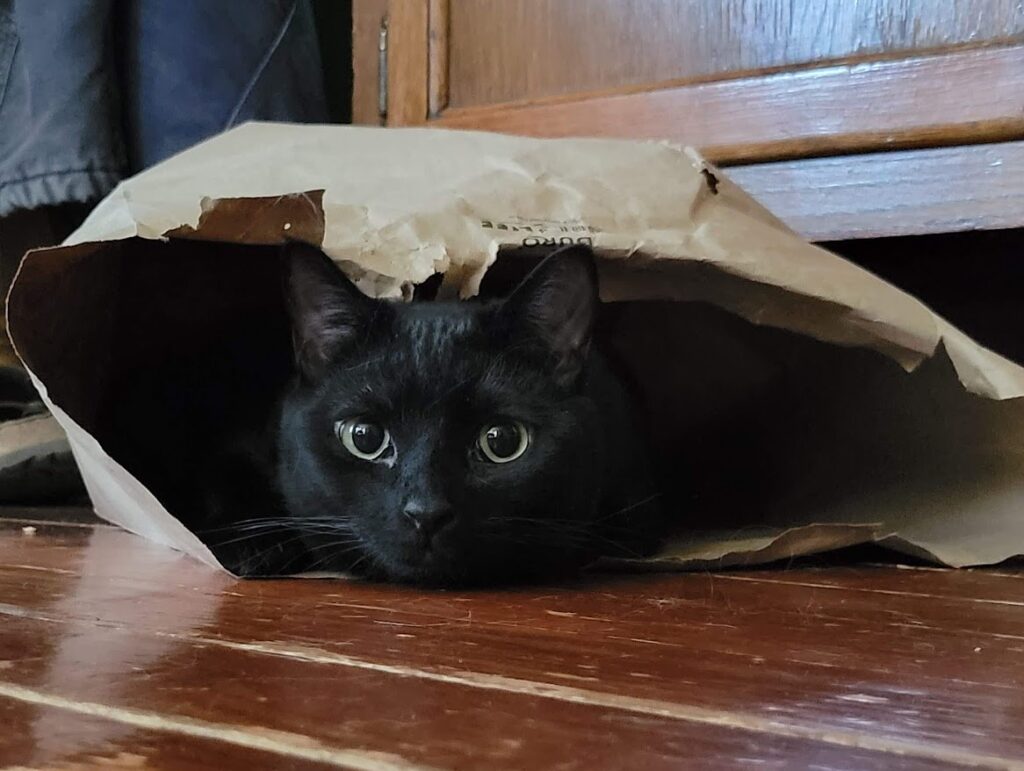
Here are some tips on how to take and select the best reference photos for your portraits.
You don’t have to be a professional photographer or have a fancy, expensive camera to take great photos of your pet that are suitable for a portrait reference. Here are a few, simple pointers that will help you get a great photo of your pet that I can use. I’ve personally taken all of these photos with my Samsung cellphone camera.
CLEAR & FOCUSED
First of all, make sure that the subject is clear and in focus so that the important details such as eyes and coat markings are distinct and easy for me to see. Here you see examples of my own cat, Dee, showing you both low quality and high quality reference images. While they are very similar in composition, it’s easy to see which one is the superior reference photo. It’s a plus when you can catch your pet looking at you, although that’s not always necessary (or easy!)
GOOD LIGHTING
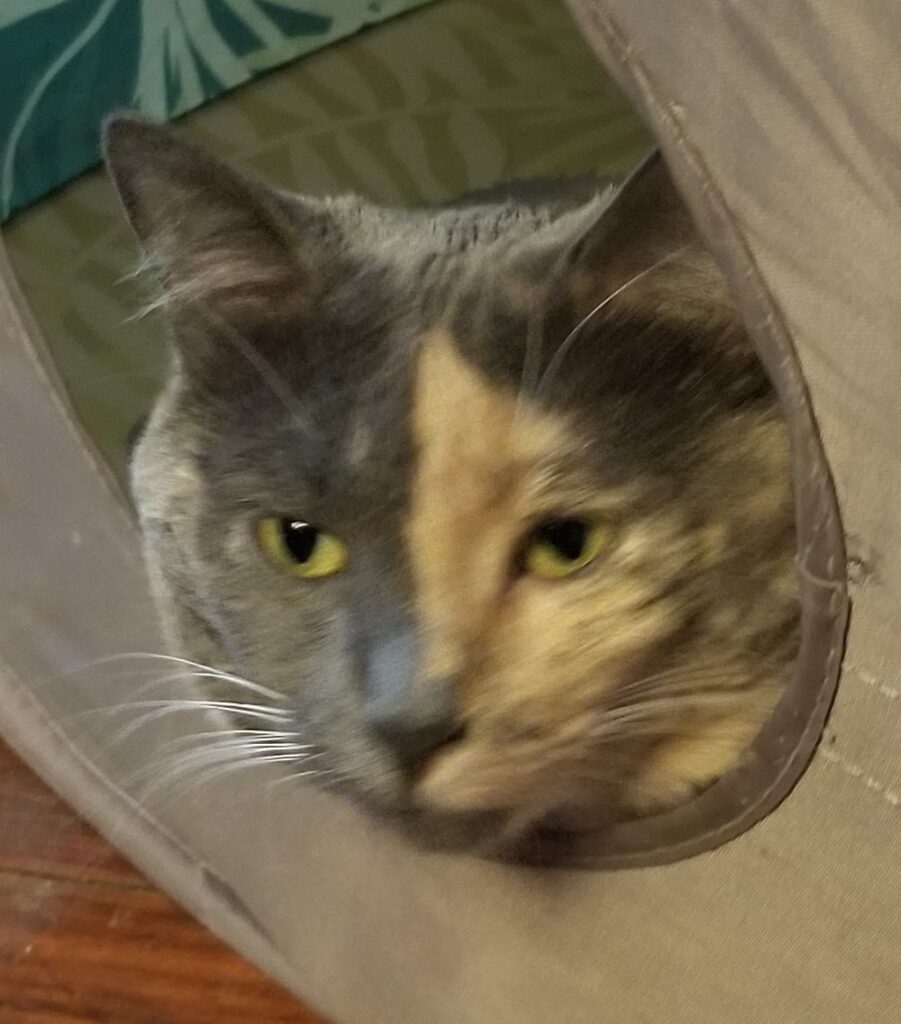
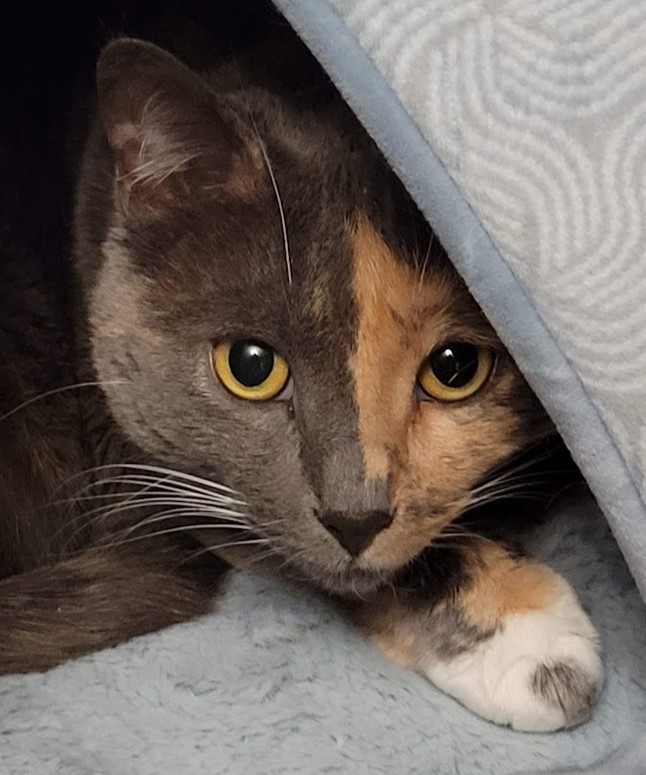
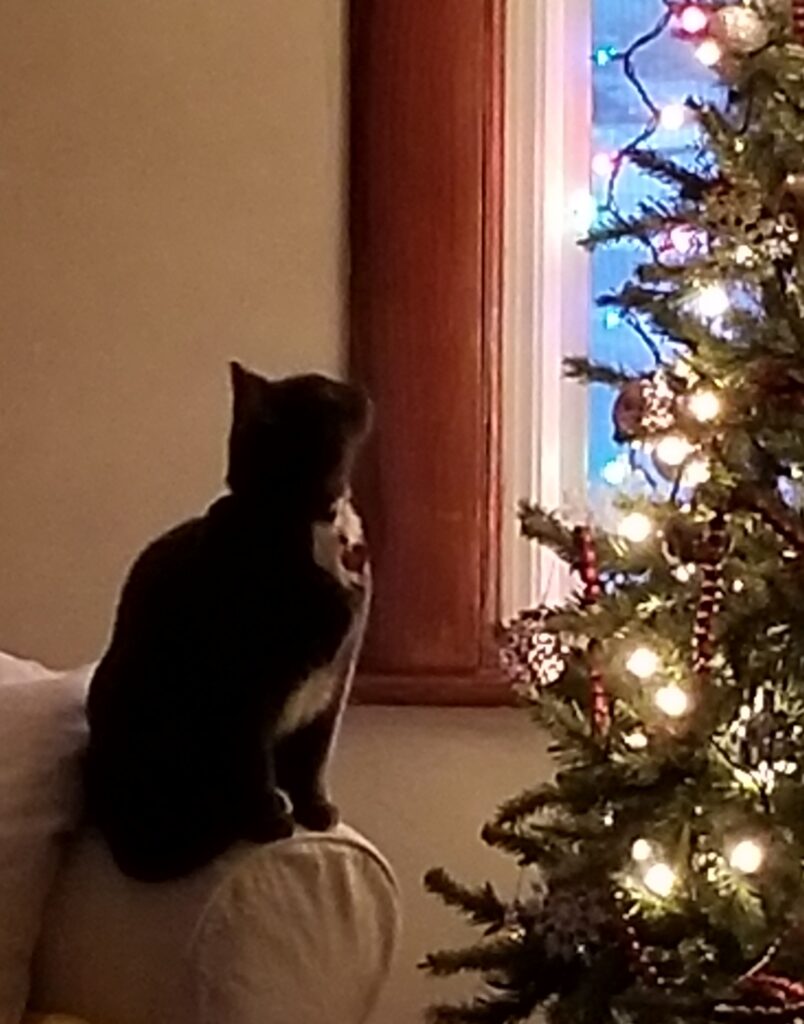
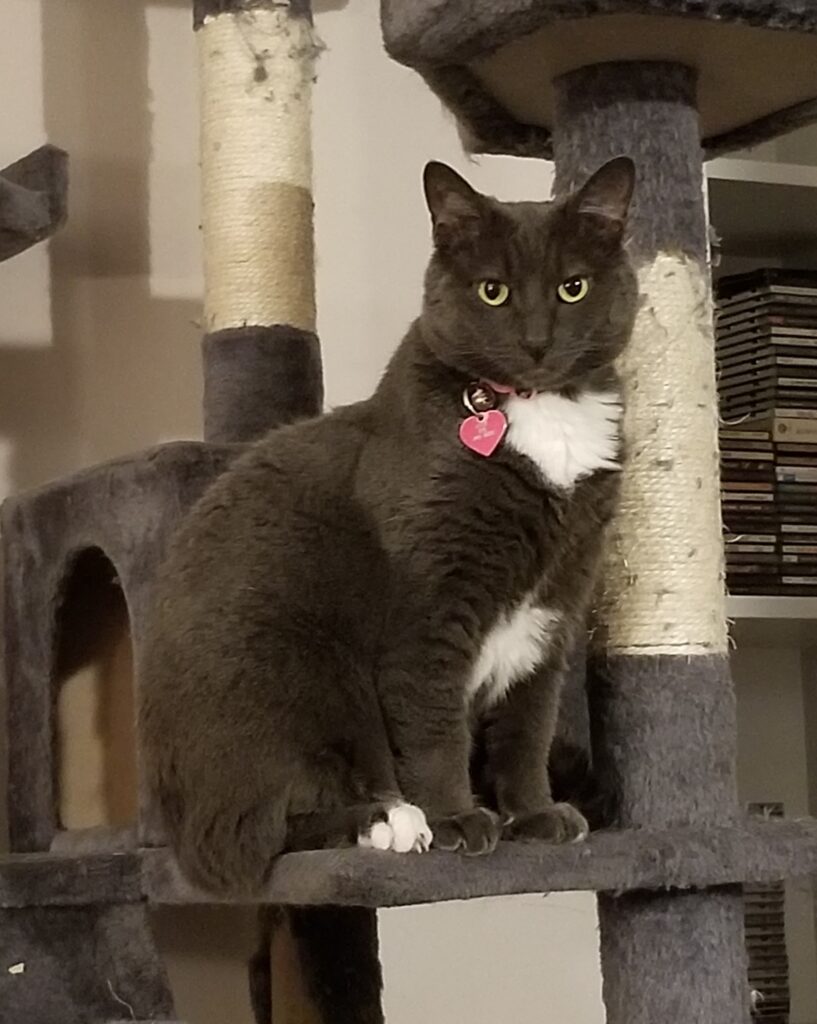
Good lighting is essential!! It isn’t ideal to try and capture an animal if it’s hiding in the shadows. All you’ll get is a big grey blob that no one is going to like or be happy with. Allie is showing you examples of good and bad lighting. Honestly, I love the photo of her looking at our Christmas tree, but it’s just too dark to use for a drawing. Look for images with balanced lighting that show both shadows and highlights, as that’s what creates form and definition in a drawing. While indoor lighting (as seen here) is great, outdoor lighting is even better. Photos taken during the “golden hour” just before sunset are the best for perfect, dramatic lighting.
ODD POSES
It’s often hard to catch a fun photo of a pet who’s a total goofball. Odd poses and motion blur can ruin an otherwise fun image. Remember, it may look alright in the context of a photo, but it will translate poorly to a portrait. Here’s my little Sally captured in an adorable pose, as well as her being her usual derpy self and and showing you what didn’t work so well. Trust me, I have PLENTY of not so good photos of her antics!
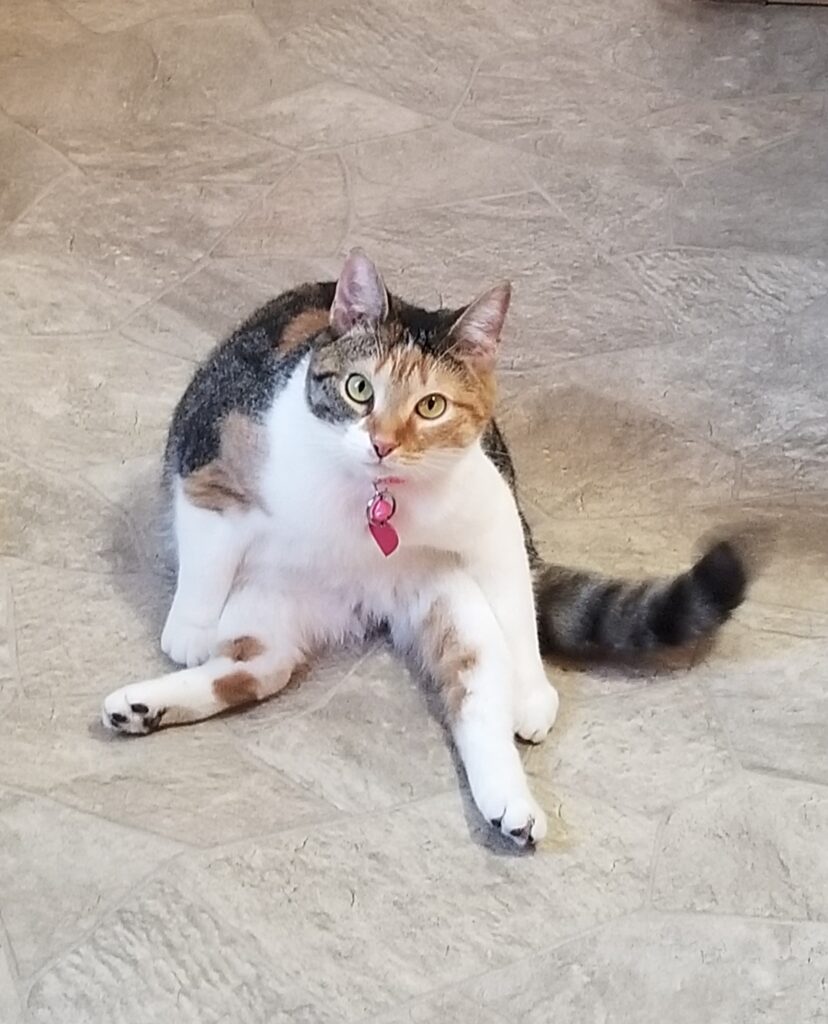
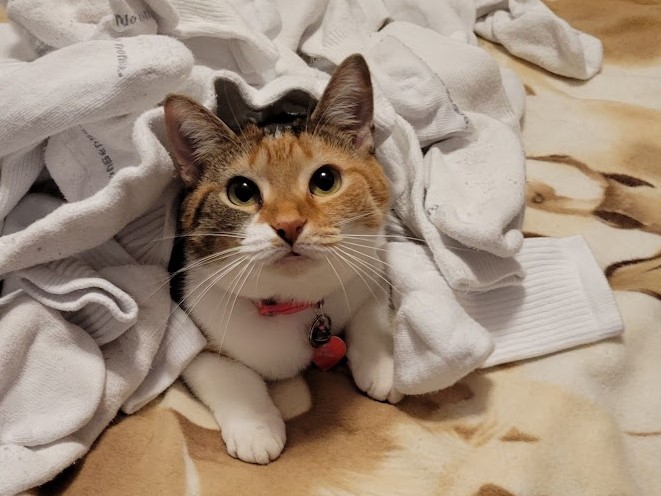
PHOTO DISTORTION
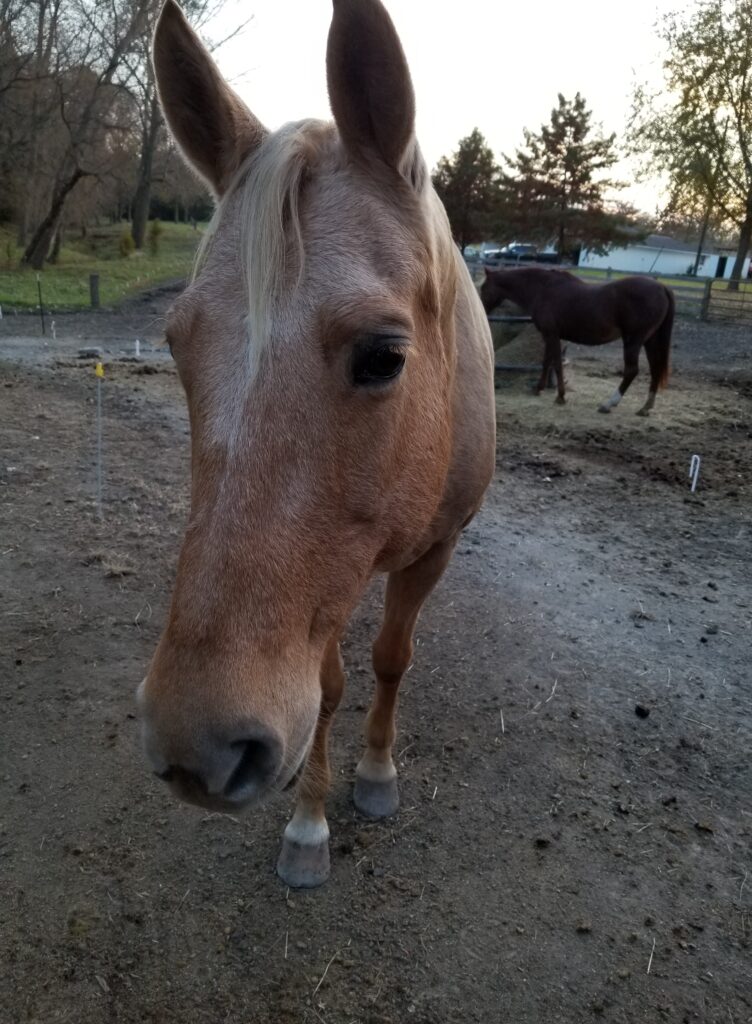
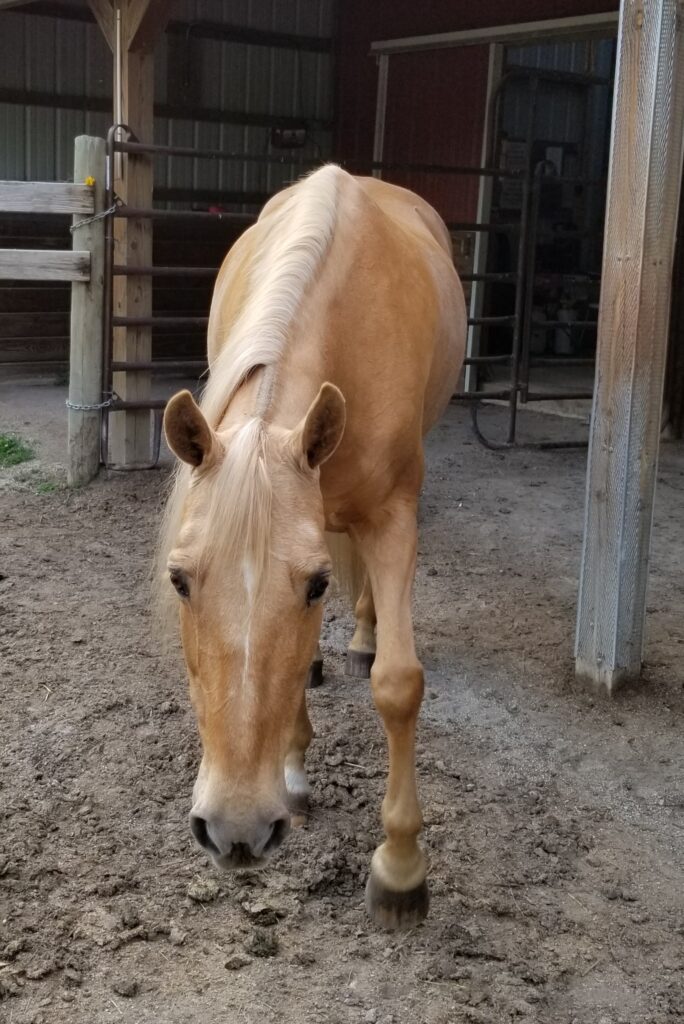
It’s VERY important to avoid camera/photo distortion. Sunnie’s head and ears look enormous in proportion to the rest of her body in this (awful) photo of her. If I were to use this as a reference, that drawing would make her look very strange and more like a cartoon. While the second photo isn’t perfect, as it still shows some minor distortion, it’s much better and could still make a nice drawing. Cameras, especially those on cell phones, are notorious for creating ugly distortion and making parts of the animal’s body look disproportionate to the rest of them. Do like I do and take LOTS of photos from different angles, and then review them later. You’ll usually end up with one that works perfectly. Remember, you can always delete the ones you don’t like.
CAMERA ANGLE
The angle you take a photo from has a dramatic difference in the appearance of the final image. Irma is happy to show you what simply placing your camera low on the floor can do to create a stunning photo that will become a beautiful and special portrait of your pet. It’s better if you aim the camera directly at your pet rather than looking down at them. Photos taken when the camera is pointed directly towards the floor are usually the worst for perspective and you’re best to avoid them altogether.